Before electronic systems transformed financial markets, the trading floor was a vastly different world, characterized by noise, physicality, and an intensity that modern screens can never fully replicate. Today, most trading takes place through silent electronic orders and algorithms. In the past, the heart of the job was human interaction. A trading floor functioned through the speed, clarity, and discipline of the people who worked on it. Understanding how that environment operated provides insight into the foundations of modern finance and the skills traders once relied on daily.
Before digital systems took over, the physical trading floor was the central point of activity. Rows of terminals filled long desks, and each station belonged to a trader or a sales trader. The screens provided price information, but the majority of communication happened by voice. Phones rang constantly. Traders shouted instructions to one another. Salespeople stood up to communicate with their clients and relay information across the desk. The atmosphere was fast, loud, and high-pressure from the moment the markets opened.
Every trade began with a conversation because everything was done by voice, the ability to listen was essential. A misunderstood instruction could lead to significant losses. Traders learned to focus even with dozens of conversations happening around them. The noise was not a distraction. It was simply the environment.
Recording trades required a physical paper process. Traders kept a buy pad on one side of the desk and a sell pad on the other. When an order came in, the trader wrote the details on the correct pad, stamped it with a time stamp, and placed it on a spike upon completion. At the end of the day, the settlement team collected the pile of paper and processed the transactions manually. This was a slow and repetitive system that required accuracy and discipline from everyone involved.
The pressure came from both the market and the culture. Prices moved constantly, and traders had to react quickly. At the same time, the floor operated on a sense of shared expectation. Mistakes were part of the job, but failing to communicate clearly or freezing under pressure was not acceptable. Senior traders had little patience for hesitation. They wanted confidence and action. The environment shaped people who could make decisions without second-guessing themselves.
Technology did exist, but it played a supporting role. Screens showed prices, news, and basic analytics. The depth and speed of modern trading systems did not exist at the time. A trader could not rely on software to calculate risk or manage positions. Everything was done by hand. This made the work demanding but also far more personal. A trader who managed risk well earned the trust of colleagues and clients because everyone could see the quality of their decisions.
The floor also relied on relationships. Trust between traders and salespeople was crucial because both sides relied on each other to succeed. Trust between the firm and its clients mattered for the same reason. A healthy client relationship meant more orders, and more orders meant more opportunity to make money for the firm. In that environment, a good reputation was just as valuable as technical skill.
Although modern trading is more efficient and far larger in scale, the old trading floors created their own kind of excellence. They rewarded people who could think clearly under pressure, communicate with precision, and build strong working relationships. The digital age has transformed almost every aspect of the process, but the foundations of skill and discipline still owe much to the earlier world. Understanding how trading worked before technology took over helps explain why the job continues to demand focus, resilience, and sound judgment even today.
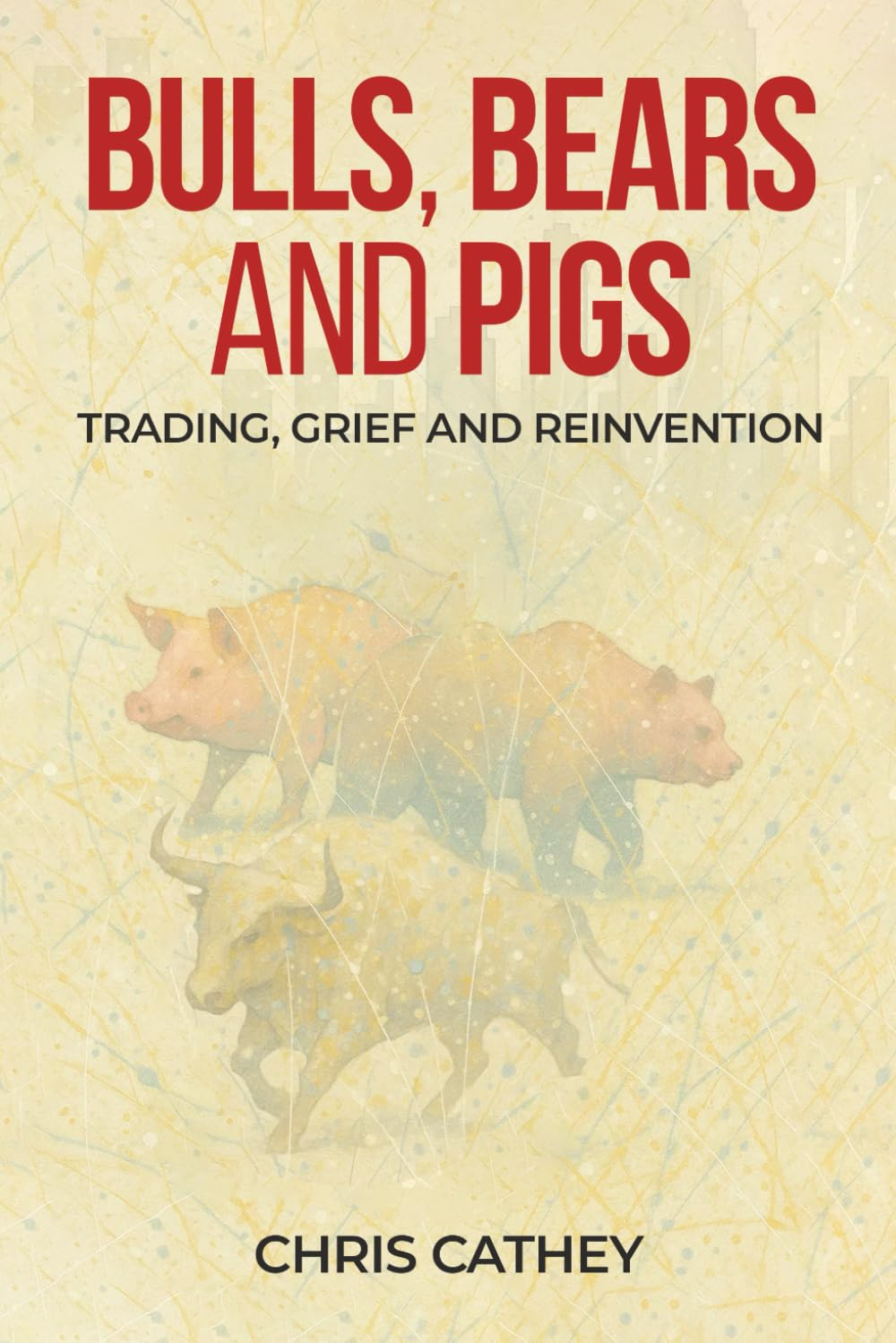
If you want a vivid and honest account of what that world felt like, Bulls, Bears and Pigs brings it to life in a way few books have managed. Follow Chris Cathey, who rose from a working-class childhood in Newcastle to the high-pressure world of Goldman Sachs and global finance.
Through sharp observations and honest storytelling, the book reveals what life on the trading floor was truly like before the digital age, capturing both the intensity of the work and the culture that shaped it. It also reveals a deeper and more personal story as Chris faces the devastating loss of his wife to breast cancer and begins the difficult process of rebuilding life as a single father. This is a grounded and human account of ambition, success, loss, and reinvention, written with clarity and authenticity. Bulls, Bears, and Pigs is not only a look inside elite finance but also a powerful exploration of resilience and identity beyond the trading floor.
Read this book now: https://www.amazon.com/dp/197122815X.