Breaking into elite finance from a working class background can feel unlikely. It often means entering a world with unfamiliar rules, new expectations, and a cultural gap that takes time to understand. Yet the experience also provides lessons that remain valuable long after a career has begun. These lessons come not from textbooks or formal training but from navigating real barriers and adapting to environments that were never designed with newcomers in mind.
The first lesson is that listening is more important than talking. On a trading floor, the ability to listen carefully can mean the difference between success and failure. Orders are communicated verbally. Decisions must be made quickly. Instructions can be lost in the noise if attention slips for even a moment. Coming from a background where nothing is handed out and mistakes carry real consequences, learning to listen becomes second nature. This skill often becomes an advantage in a workplace where many people prioritize confidence over accuracy.
Another key lesson is the value of preparation. When opportunities are rare, preparation becomes essential. Working class students often learn early that strong grades are not optional. They are necessary to move forward. That sense of discipline carries over to professional life. On a trading floor, preparation means knowing the stocks, understanding the markets, and being ready for anything that might happen during the day. Preparation does not guarantee success, but lack of preparation almost always leads to failure.
A third lesson is that resilience is built through experience. Growing up without financial security or insider connections may feel like a disadvantage. Yet it often develops resilience that becomes vital in high pressure environments. Trading involves losses. Not every idea works. The market can turn quickly and brutally. A background that teaches persistence, realism, and practical problem solving can create a strong foundation for handling the inevitable setbacks of the job.
Another insight is that people can surprise you. Elite institutions often give the impression of being closed circles. But many of the people inside them value competence over background. Hard work and clear thinking are noticed. A trader who performs well soon earns respect, sometimes even faster than peers who entered with more privilege. This is not to say that the playing field is level. It is not. But results matter, and strong performance speaks louder than any social barrier.
At the same time, it is important to recognize the cultural differences that exist. Many people in elite finance grow up with networks, confidence, and familiarity with expectations. They speak the same language as the institutions they join. Someone from a working class background may feel out of place at first. Understanding that this discomfort is normal makes it easier to overcome. With time, performance becomes the measure that everyone pays attention to.
Another valuable lesson is the importance of humility. Trading floors reward those who admit when they are wrong and learn quickly. Even the most experienced traders make mistakes. Those who recover are those who accept the error, cut their losses, and move on. People who grow up without luxury often learn humility early. This mindset can become a strength in a profession that punishes stubbornness.
Ultimately, breaking into elite finance demonstrates that opportunity does not always follow a straightforward path. A working class background does not prevent success. It simply means the route may look different. It means relying on discipline, resilience, clear communication, and strong work habits. These qualities become advantages in an environment that values results above all else.
The journey into elite finance may begin with uncertainty, but the lessons learned along the way last far longer than any job. They provide a foundation that can support growth, confidence, and performance in any field, which enables long term success.
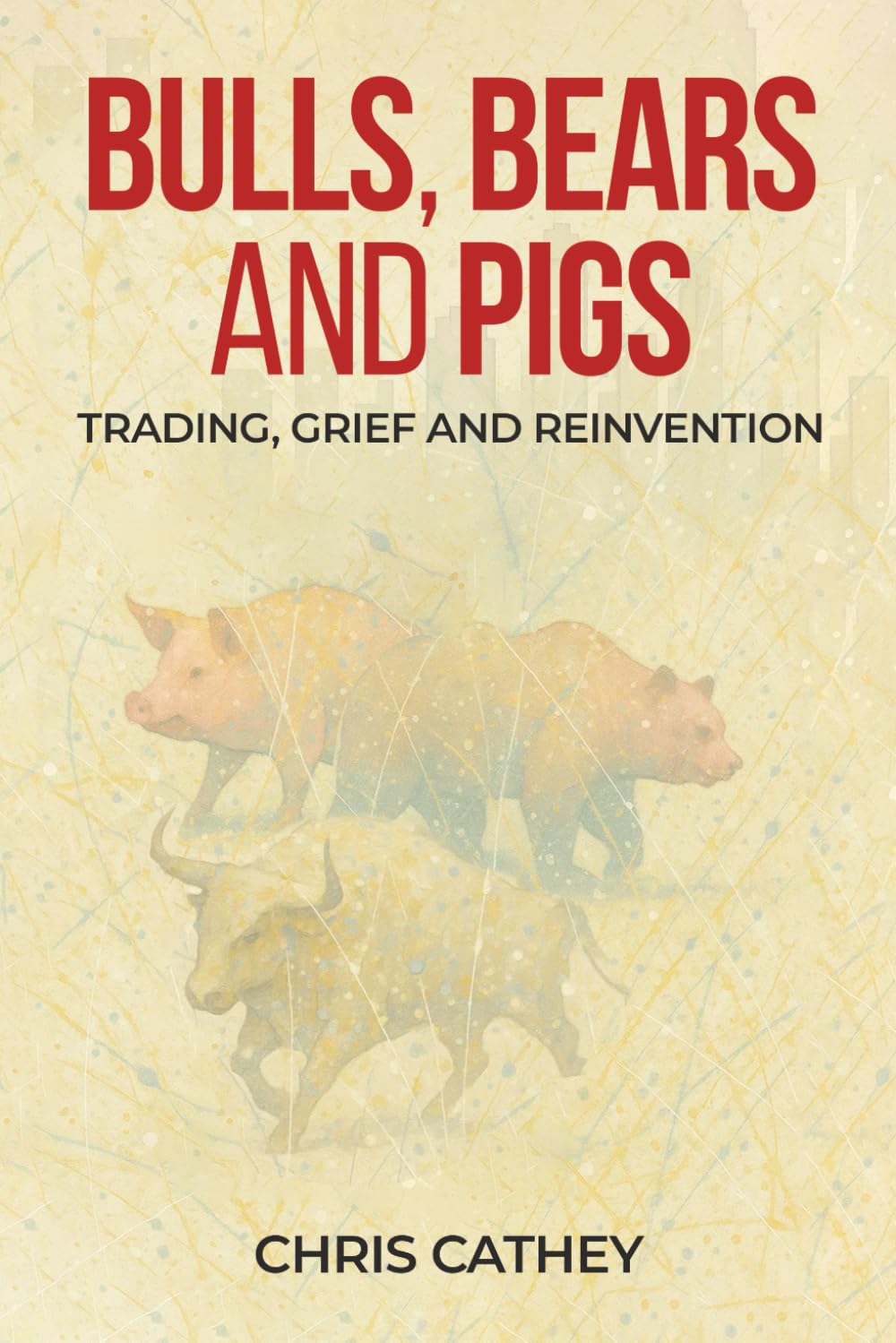
These lessons are explored in full detail in Bulls, Bears and Pigs, where Chris Cathey shares a direct and honest account of his journey from a working class upbringing in Newcastle to the demanding world of Goldman Sachs and global finance. He describes the trading floor as it was before the digital age, the culture that shaped the work, and the personal values that helped him succeed. The book also moves beyond finance to tell a deeper story of love, loss, and rebuilding, as Chris faces the death of his wife from breast cancer and takes on life as a single father. It is a grounded and human account of ambition, resilience, identity, and change. Bulls, Bears and Pigs offers a clear and authentic look inside elite finance while also showing the strength required to rebuild a life after profound loss.
Read this book now: https://www.amazon.com/dp/197122815X.